
Exercise Physiology for Over-60s in Melbourne
Who we work with:
- Adults over 60 wanting to stay strong and independent
- People managing osteoporosis, osteoarthritis, or low bone density
- Adults at risk of falls or who have already experienced a fall
- People living with Parkinson’s disease or neurological conditions
- Those recovering from hip or knee replacement surgery
- Adults managing diabetes, heart disease, or chronic conditions
- Anyone experiencing muscle loss or reduced strength with age
- NDIS participants requiring capacity-building exercise physiology
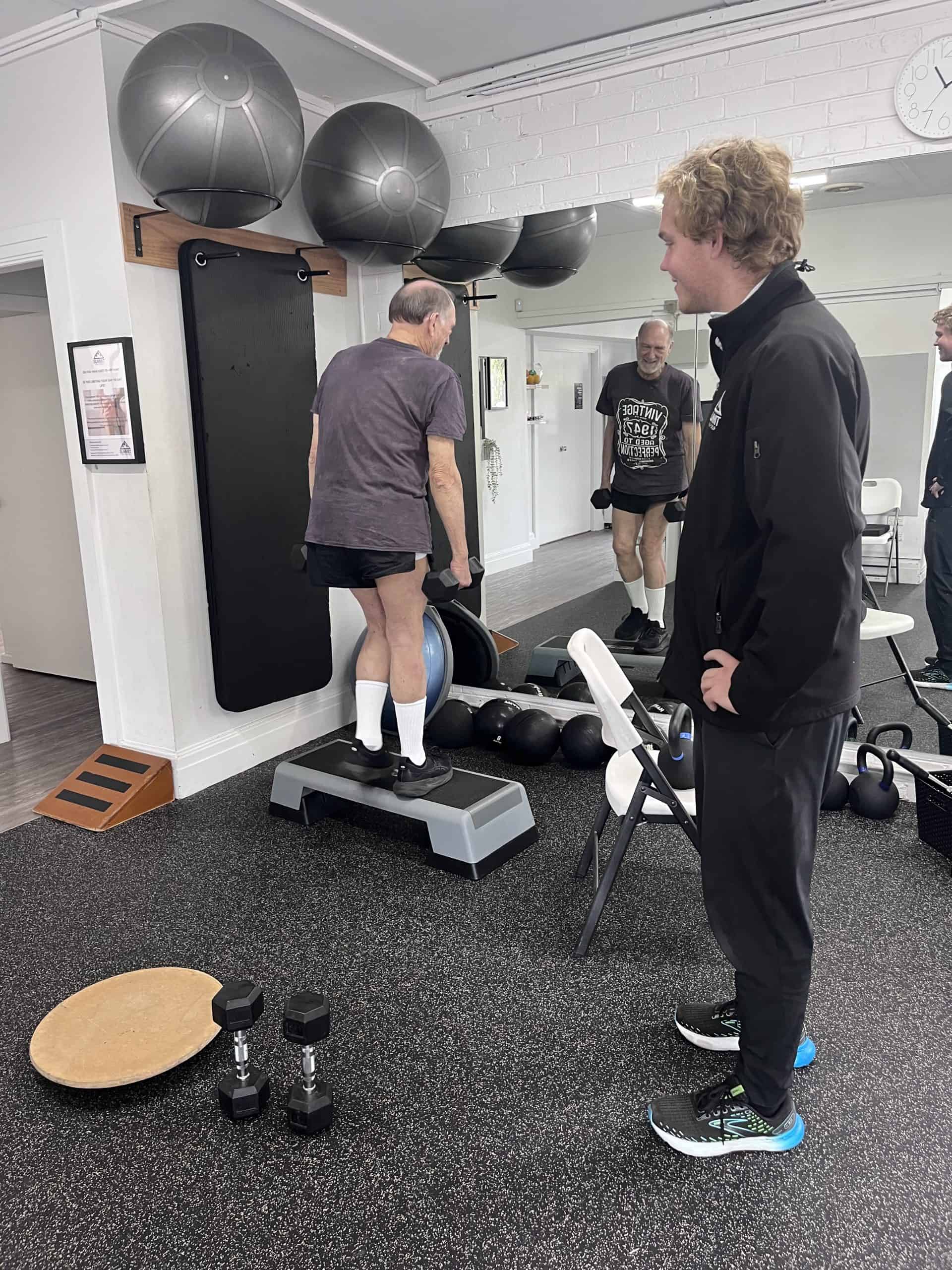
Staying strong, steady on your feet, and independent in your own home matters more with every passing year. For older adults across Melbourne, the right exercise is one of the most effective ways to protect all three — whether you’re managing a diagnosis, recovering from surgery, or simply determined to keep doing the things you love.
At Summit Health Group, our Malvern and Blackburn clinics provide accredited exercise physiology built specifically for adults over 60 — clinical, progressive, and shaped around your body and your goals. This isn’t a gym program. It’s an ongoing, weekly clinical service delivered by an exercise physiologist who understands the physical realities of ageing and works with you over time to keep you moving well.
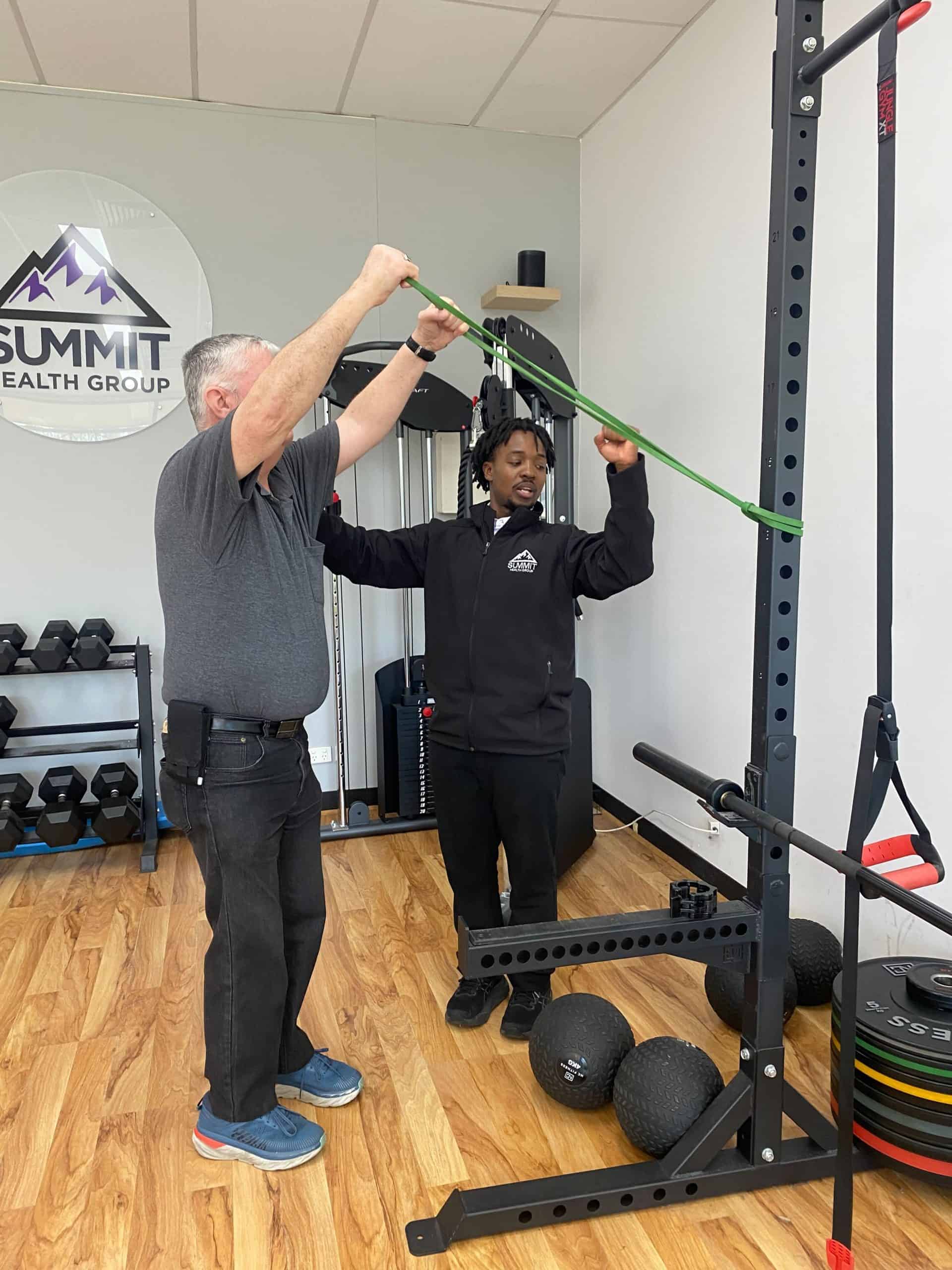
Why exercise needs to change as you get older
The body at 70 doesn’t respond to exercise the way it did at 40. From around age 60, several changes speed up at once — and understanding them is the reason a program for older adults has to be built differently.
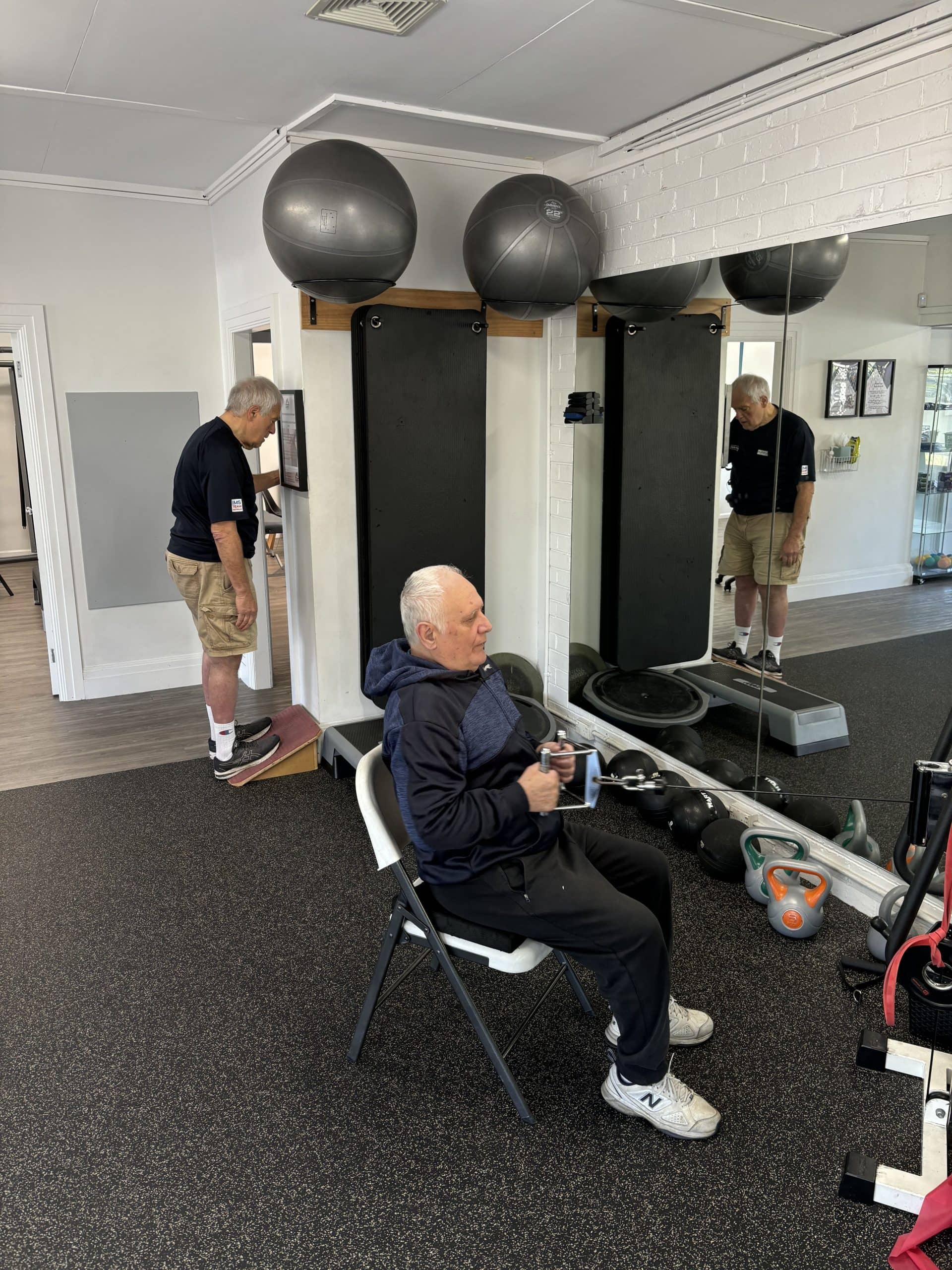
Muscle loss accelerates. After 60, muscle is lost at a faster rate — a process called sarcopenia. Left unaddressed it leads to weakness, fatigue, and difficulty with everyday tasks like rising from a chair. Progressive resistance training reverses it at any age.
Bone density declines. Bones gradually lose density with age, raising the risk of fracture from a minor fall. Weight-bearing and resistance exercise helps maintain bone strength — but the load has to be matched carefully to your capacity.
Balance and reaction time change. The systems that keep you upright — inner ear, vision, the sensors in your joints — become less responsive. This is why falls become more common after 60, and why targeted balance training makes such a measurable difference.
Recovery takes longer. Older muscles and joints need more recovery between efforts, and past injuries or existing conditions change what’s safe.
This is why a generic gym routine is the wrong tool for an older body. Every exercise needs to account for these changes — chosen for a clinical reason, loaded to your capacity, and progressed at a safe pace. That’s the work of an accredited exercise physiologist, and it’s all we do.
Who We Support at Our Malvern and Blackburn Clinics
Summit Health Group specialises in exercise physiology for adults over 60. Our clients include people who are managing age-related physical changes and want to stay active and independent, people living with chronic conditions such as osteoporosis, osteoarthritis, type 2 diabetes, and cardiovascular disease, and people who have experienced a fall or are at risk of falling and want to build their balance and confidence.
We also work with people recovering from surgery or injury who need structured rehabilitation, and NDIS participants requiring capacity-building exercise physiology support.
10+
Years Experience
2
Melbourne Clinics
1:4
Max Class Ratio
What a program looks like for older adults
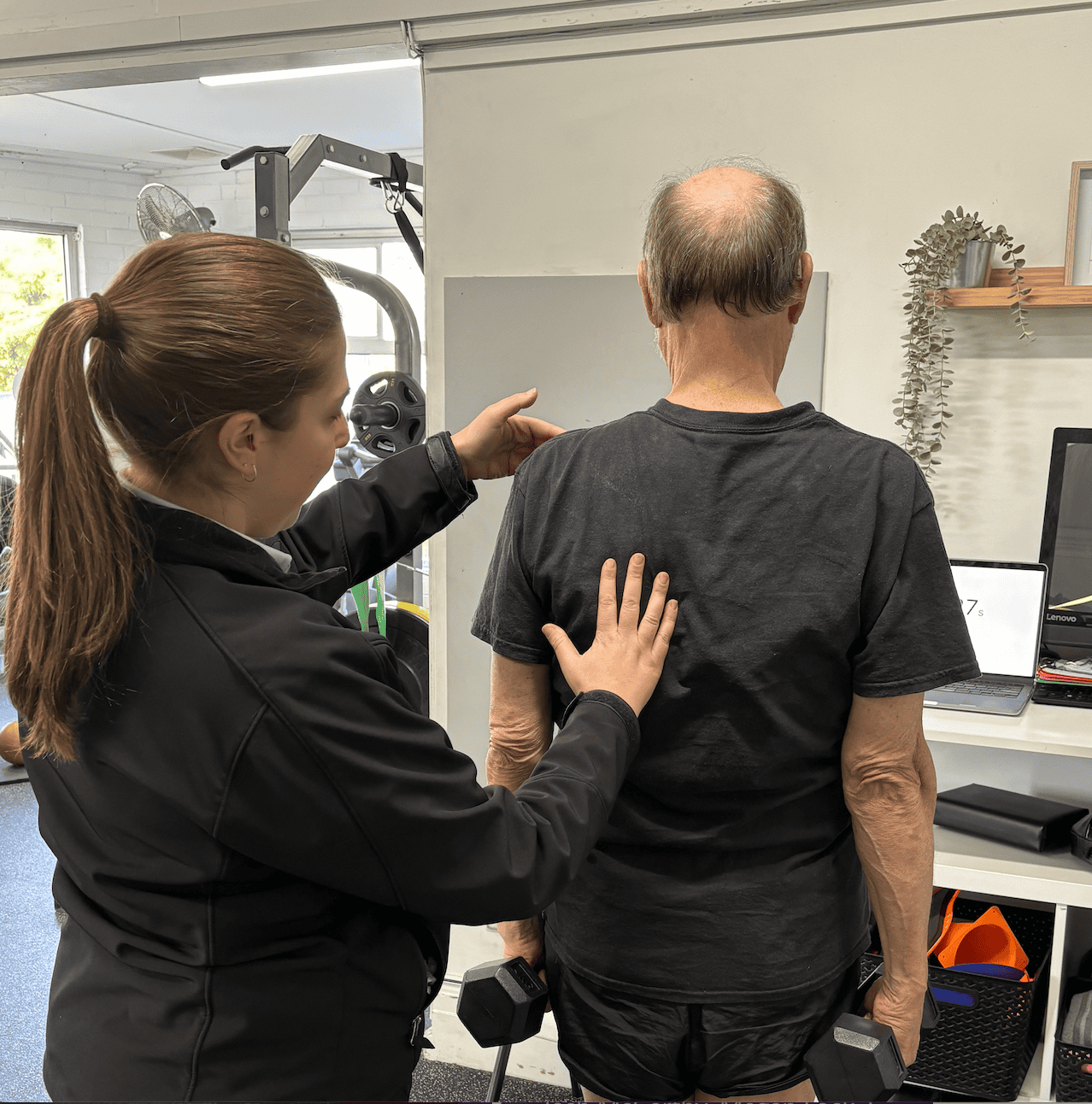
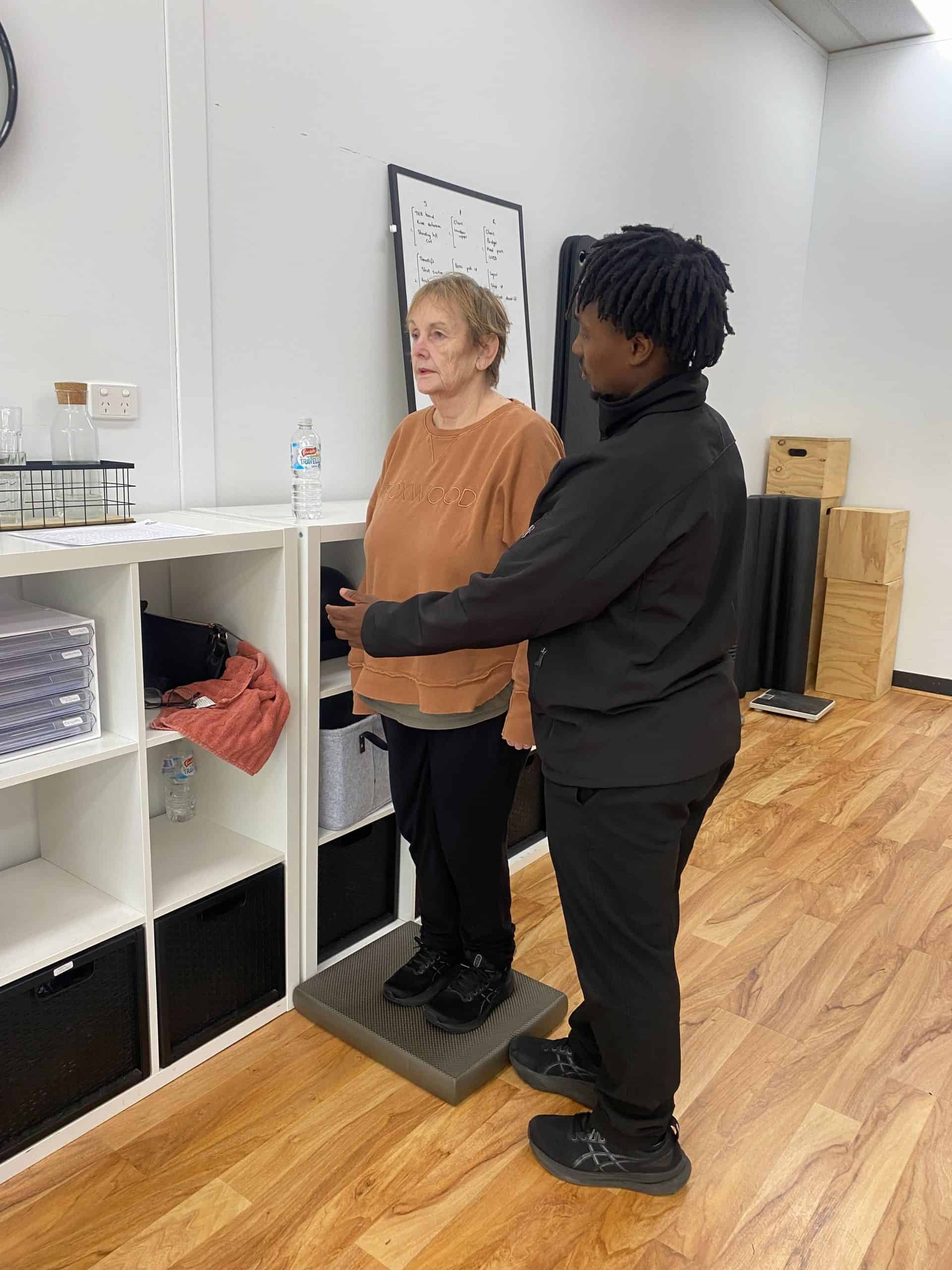
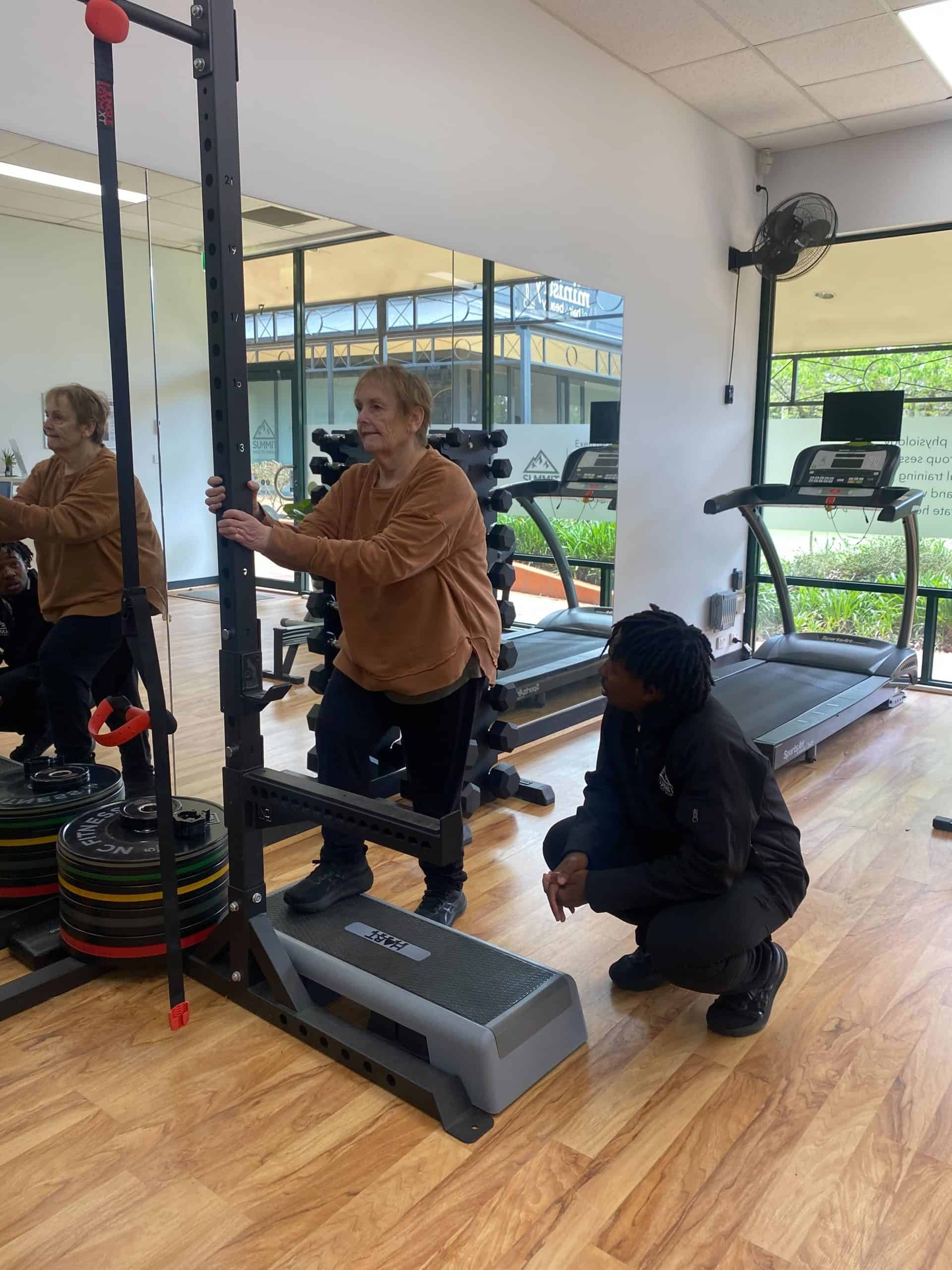
Every program begins with a thorough clinical assessment — not a gym induction. Your exercise physiologist reviews your health history and current medications, watches how you move, and identifies where you’re strong, where you compensate, and where there’s risk. From there they build a structured, progressive program around what you can do now and where you want to get to.
For older adults, that usually blends progressive resistance training to rebuild muscle, weight-bearing work to support bone density, balance and stability training to reduce falls risk, mobility work to ease stiffness, and gentle aerobic conditioning for heart and lung health. The mix is yours alone — matched to your conditions, goals, and starting point.
Every session is supervised in a calm, clinical studio, not a crowded commercial gym. You move at your own pace, with an exercise physiologist watching your technique and progressing the program only when your body is ready.
Conditions we help older adults manage
- Osteoporosis and low bone density — the right resistance and weight-bearing program helps maintain bone strength and lower fracture risk, which matters more the older you are.
- Osteoarthritis and joint pain — targeted exercise for arthritic joints reduces stiffness and strengthens the muscles that support and protect the joint.
- Falls risk and balance problems — balance and stability training measurably reduces the likelihood of a fall, and the confidence it restores is just as valuable.
- Parkinson’s disease — exercise has strong evidence for slowing functional decline, and benefits from a consistent, long-term approach.
- Post-surgical recovery — structured rehabilitation after hip or knee replacement restores strength and movement safely.
- Chronic conditions — exercise for type 2 diabetes, heart disease and other chronic conditions helps manage symptoms and reduce fatigue.
- Sarcopenia and general deconditioning — progressive strength work rebuilds the muscle that age and inactivity strip away.
Funding options for older adults
Private health insurance — most major funds offer a rebate on exercise physiology under extras cover. The amount depends on your fund and level of cover.
Support at Home — exercise physiology is covered for eligible older Australians under the Improved Daily Living category. If you or a family member receives Support at Home funding, we can work directly with your care coordinator to arrange sessions at our Malvern or Blackburn clinic, by home visit, or via telehealth. See our Support at Home exercise physiology page for details.
NDIS — exercise physiology is funded under Capacity Building supports. Summit Health Group is a registered NDIS provider accepting plan-managed, self-managed and NDIA-managed participants.
Why ongoing weekly sessions matter more as you age
A short course of sessions produces short-term results. What produces lasting change is a weekly relationship with an exercise physiologist who knows your body, tracks your progress, and adjusts your program as your capacity grows.
This matters more, not less, with age. Muscle and bone are lost faster in older adults, so a consistent weekly program is what holds and builds your gains rather than letting them slip between visits. And the longer you work with the same exercise physiologist, the better they understand your body — and the more they can safely achieve with you.
Most older adults notice improvements in strength, balance, and confidence within four to six weeks. Longer-term changes — improved bone density, sustained cardiovascular fitness, reduced falls risk — develop over three to six months of consistent exercise. Our clients attend weekly and keep attending: not to finish a program, but because the exercise keeps delivering the independence they came for.
Our Two Melbourne Clinics for Older Adults
Malvern clinic
73–75 Station Street, Malvern VIC 3144
Serving Malvern, Armadale, Caulfield, Glen Iris, Toorak, and South Yarra
(03) 9576 3216 | Mon–Thu 7:00am–7:00pm | Fri 7:00am–5:00pm | Sat 7:00am–12:00pm
Blackburn clinic
7/28–30 Blackburn Road, Blackburn VIC 3130
Serving Blackburn, Box Hill, Forest Hill, Nunawading, Mitcham, Burwood, Vermont, and Ringwood
(03) 8625 0514 | Mon–Thu 7:00am–7:00pm | Fri 7:00am–5:00pm
Frequently asked questions
-Do I need a referral to see an exercise physiologist at Summit Health Group? No referral is required to book a private appointment. You can contact us directly at either our Malvern or Blackburn clinic.
-How long before I notice results? Most older adults notice improvements in strength, balance, and confidence within four to six weeks of starting a structured program. Longer-term changes such as improved bone density and cardiovascular fitness develop over three to six months of consistent exercise.
Can exercise physiology be delivered at home? Yes. Summit Health Group offers home visit exercise physiology for older adults who prefer or require care at home. Contact us to discuss whether this option suits your situation.
-How often should I attend? Most clients attend weekly. The more consistent your attendance, the better your long-term outcomes. We design programs for ongoing weekly attendance — not short courses.